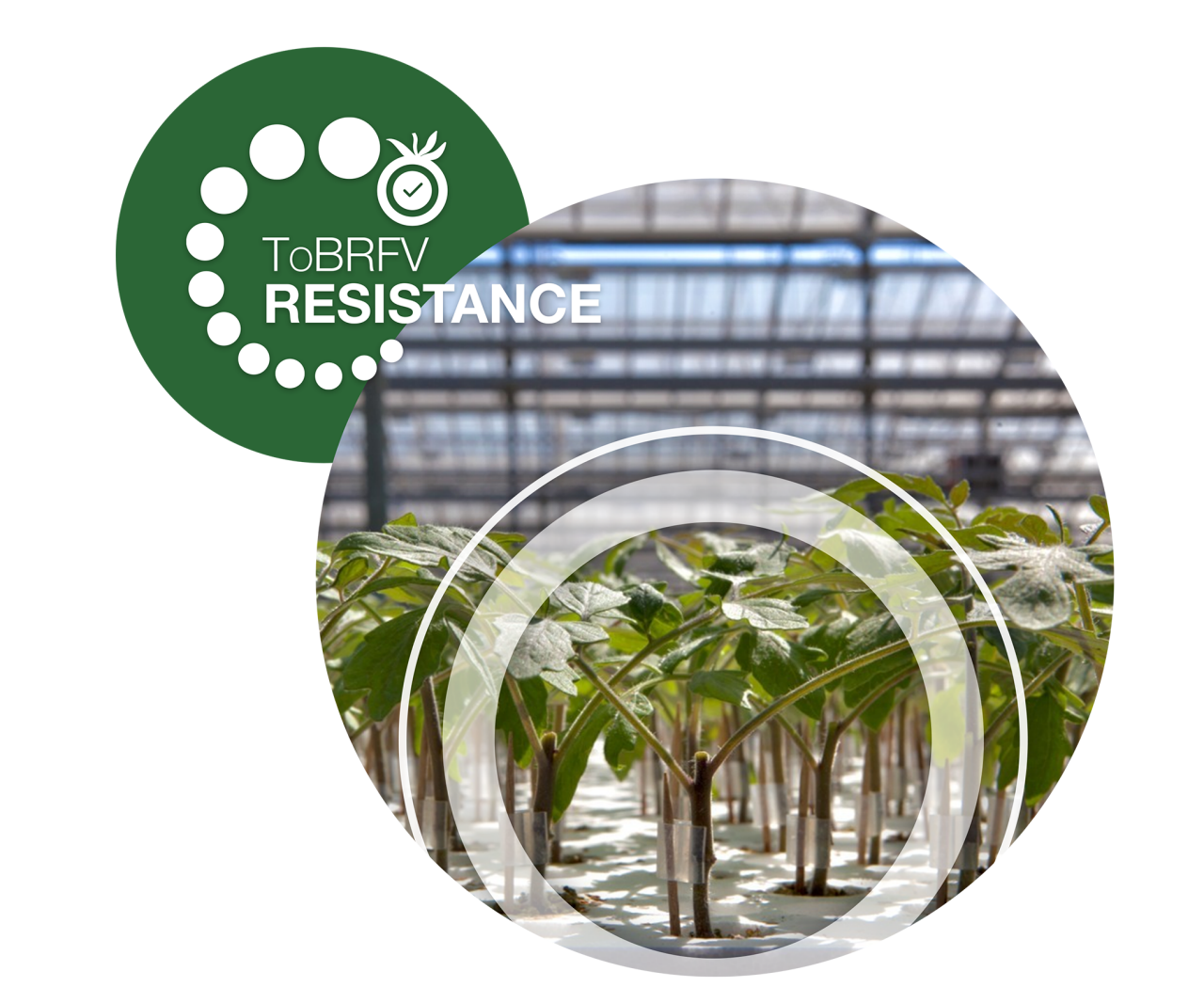
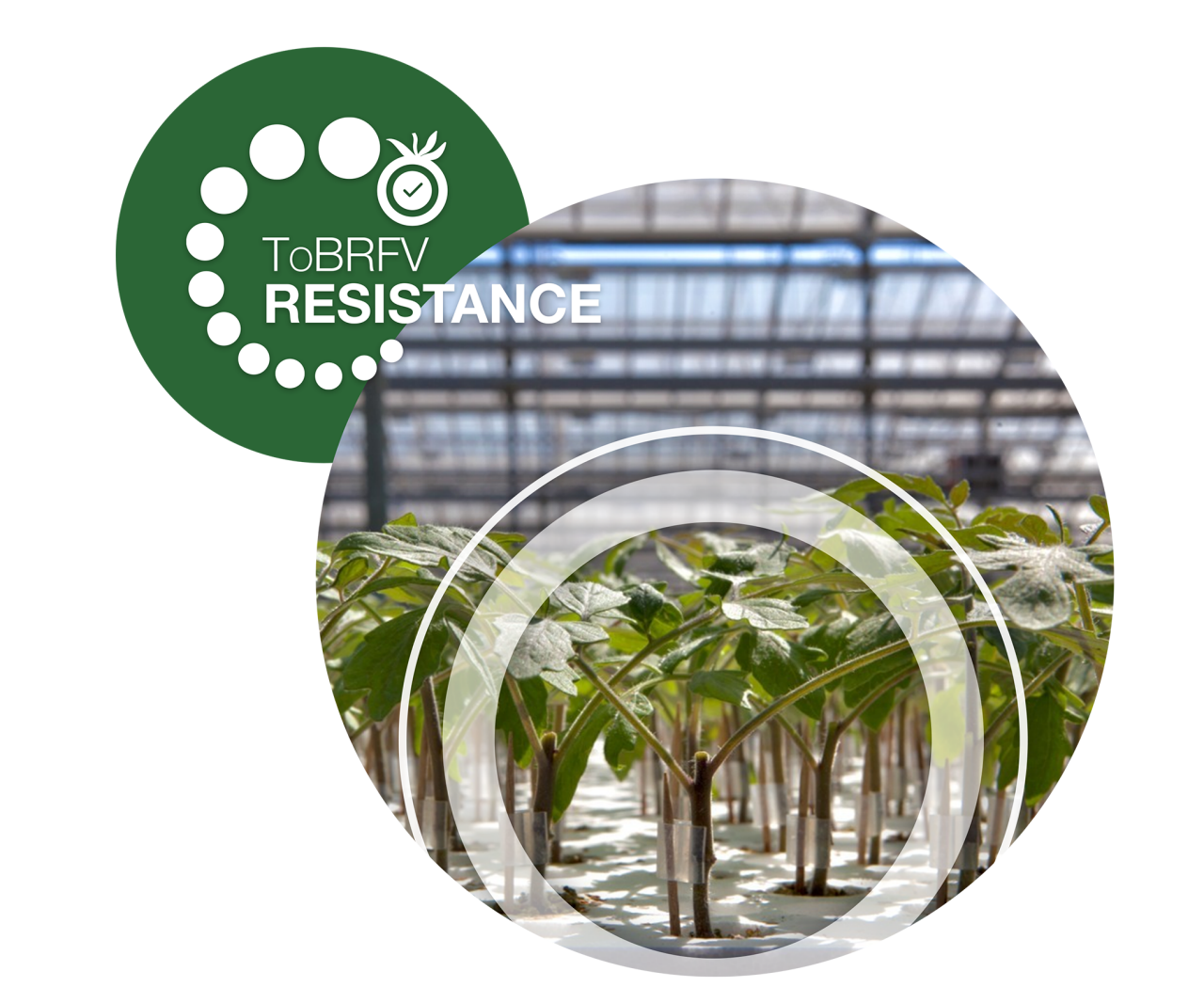
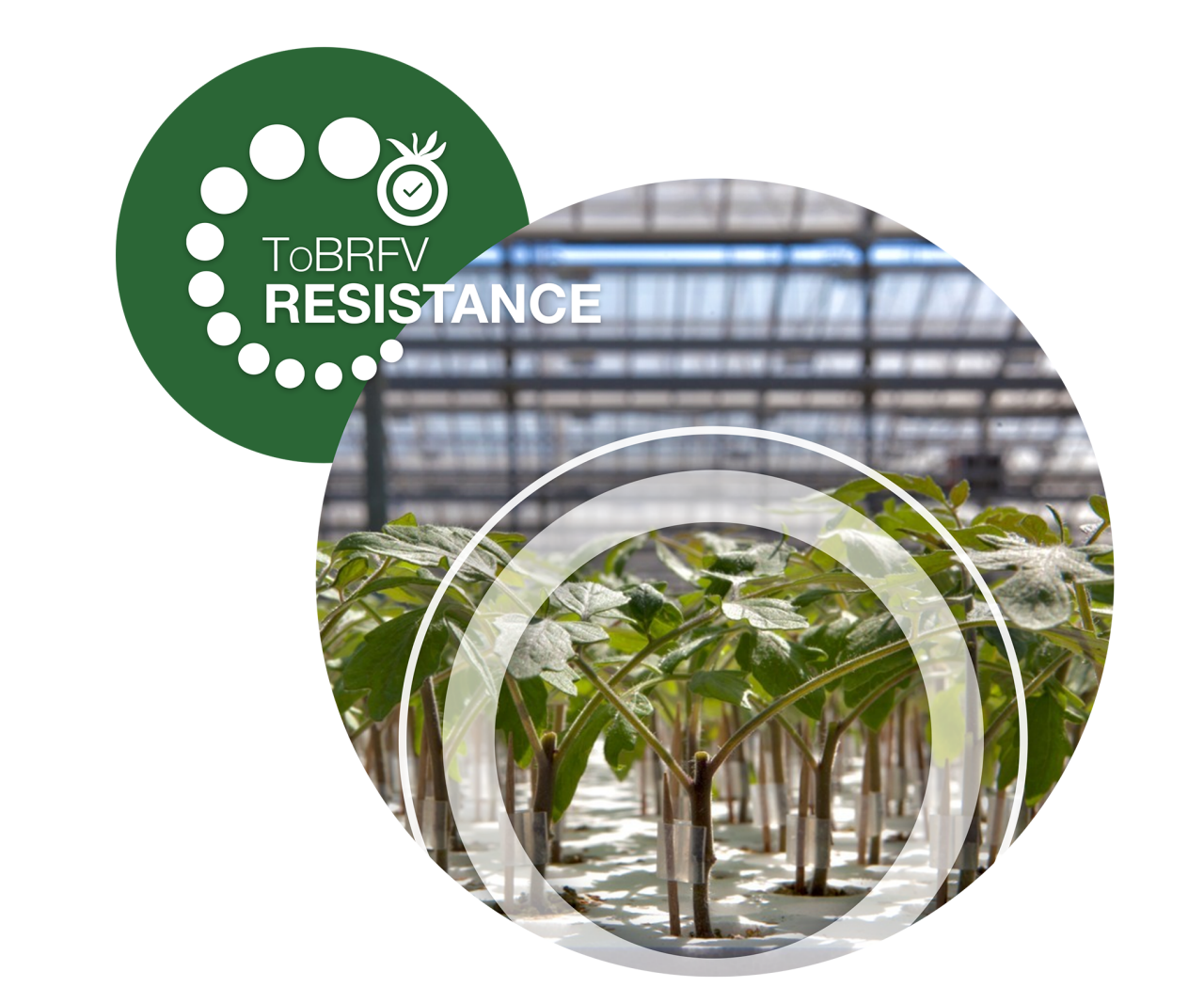
Together we make the difference against ToBRFV

Plan smart.

Plant strong.

Managing ToBRFV together for durable tomato protection

ToBRFV, like all plant viruses, exhibits natural genetic variations. It continues to evolve, creating multiple variants with varying levels of aggressiveness. This continual evolution makes it difficult to control. However, there are things we can do together to help protect against ToBRFV.

Confidence on every level

How to protect your crop using the disease triangle


Plant diseases are rarely the result of a single cause. In phytopathology, disease development is classically explained through the interaction of three essential components: the host, the pathogen and the environment – together known as the disease triangle.

The disease triangle is a tool to help understand disease complexity and variability. Vegetable by Bayer promotes a shared approach to disease management and emphasizes a structured assessment of all three sides of the triangle.

Effective disease management is strongest when it integrates:

1.     HOST: Robust genetics and resistance breeding

2.     PATHOGEN: Monitoring and validation of pathogen behavior

3.     ENVIRONMENT: Strong phytosanitation and crop management to limit spread

This integrated perspective reflects core plant pathology principles and supports consistent, science‑based decision‑making.

Choose the right tomato variety


The host represents the plant and its capacity to resist infection.
Host factors include:

  • Genetic background and resistance mechanisms
  • Crop vigor and stress status (how robust the plant is under growing conditions)
  • Growth stage at the time of infection (early vs later infection)

Choosing a ToBRFV-resistant variety may help to reduce disease impact as part of an integrated management approach. But keep in mind — resistance is not immunity. Even the strongest plants can show symptoms under certain conditions. That’s why it is important to consider all three sides of the disease triangle together.


Understand ToBRFV and its mutations


The pathogen is the disease‑causing organism (virus, fungus, bacterium, etc.) and includes factors such as:

  • Infectivity and infection pressure
  • Biological behavior (how efficiently it infects and spreads)
  • Genetic variability over time (e.g., variants)
  • Mixed infections (co‑occurrence with other pathogens)

To understand the impact of a new virus variant, biological testing is needed in addition to detailed observation of symptoms. Genetic characterization in combination with symptom evaluation across a panel of resistant varieties, will help to draw conclusions on aggressiveness and assess the potential threat posed by a new variant.

Why bioassays are essential?

  • Confirm whether a virus is alive and infectious. A variant present today might not be viable and disappear as fast as it appears
  • Translate genetic variation into actual biological behavior
  • Directly test virulence and interaction with resistance genes
  • Are required to confirm or refute resistance breaking

Without bioassays, conclusions about ToBRFV resistance breaking strains cannot be scientifically supported, even if mutations or high viral loads are detected.

Read more

Help prevent infections through hygiene and growing practices


The environment includes all external conditions that influence infection, spread and symptom expression, such as:

  • Hygiene and phytosanitation practices
  • Crop handling and mechanical transmission pathways (hands, tools, equipment)
  • Growing conditions and stress factors (crop management, light, temperature, humidity)
  • Persistence in production environments (surfaces, residues, soil)


What about the role of rootstock?


Rootstock plays a crucial role in creating a supportive environment for crops, providing essential vigor and endurance throughout the entire growing cycle. This robust foundation enables plants to better withstand various stress factors, ultimately promoting their resilience. Nevertheless, regarding ToBRFV, various studies have shown that root-mediated infection is highly inefficient. Although rootstock may not offer direct resistance to ToBRFV, its strength serves as a reliable base, empowering the scions in your crop. To effectively address ToBRFV, it’s important to select resistant scions, paired with vigorous and enduring rootstocks for optimal results.

Learn more about the role of rootstock with ToBRFV here.

Why resistant crops perform best within an integrated strategy

 
Our breeders work to develop resistance traits combined with agronomics required by the tomato value chain. Resistance works best when optimizing the plant (the HOST), the surrounding conditions (the ENVIRONMENT), while monitoring the disease-causing organism (the PATHOGEN). Together, we can work to manage both environmental and host factors and help limit the impact of the virus.

The disease triangle can’t predict the future, but it can help us see the overall picture so we can grow more confidently. Disease management is a shared responsibility — when we work together, durable solutions become possible.

Together we make the difference against ToBRFV.

How Vegetables by Bayer helps you manage ToBRFV effectively

 
  • Multi-gene resistance to support disease management
  • Rigorous testing and validation, including bioassays, to evaluate resistance performance
  • Expert knowledge and insights to help growers stay informed and prepared
  • Best-practice crop hygiene guidelines to help reduce disease spread
  • Crop management recommendations to support a stronger growing environment
  • Partnership and support focused on helping growers manage ToBRFV from every angle
Struggling with ToBRFV? Ask an expert.

Stay up to date about ToBRFV

Need more information?

This content explains general principles of plant pathology. The disease triangle does not predict crop outcomes and does not replace field‑specific assessment or technical guidance.

References
Foundational Disease Triangle concept

  • Francl, L.J. (2001). The Disease Triangle: a plant pathological paradigm revisited. The Plant Health Instructor (APS).

Host / resistance genetics (ToBRFV examples)

Pathogen behavior, mutation, and need for bioassay validation

Environment / sanitation and persistence

  • Chanda, B. et al. (2021). Effectiveness of disinfectants against the spread of tobamoviruses: ToBRFV and CGMMV. Virology Journal.
  • Ling, K.-S. et al. (2022). Disinfectants useful to manage ToBRFV in greenhouse tomato production. Horticulturae.
  • Zamora‑Macorra, E.J. et al. (2026). Analysis of disinfectant efficacy against ToBRFV: surface and method effects in greenhouse production. Agronomy. DOI: 10.3390/agronomy16010015.
  • Molad, O. et al. (2024). Longevity in soil and virion susceptibility to pH treatments… Plant and Soil.
  • Samarah, N. et al. (2021). Disinfection treatments eliminated ToBRFV in tomato seeds. European Journal of Plant Pathology.
  • Davino, S. et al. (2020). ToBRFV seed transmission rate and efficacy of seed disinfection treatments. Plants (Basel).

All information on Bayer IR-ToBRFV tomato varieties reflects tests and knowledge at product launch. On request, Bayer will share available data on performance, seed treatment, and detection, as permitted by law and Grower shall maintain confidentiality with respect thereto. Resistance is defined by the virus state at launch and may be updated as knowledge evolves; this disclaimer shall be deemed modified by such update upon communication thereof. The Grower is responsible for assessing local suitability and acknowledges that crop management practices may affect resistance, for which Bayer is not liable. Bayer’s only warranty is label conformity at dispatch; all other warranties are disclaimed and liability is limited to a refund up to the seed price. Grower shall not transfer any data provided hereunder without Bayer’s prior written consent and shall indemnify and hold harmless Bayer for all losses arising from any unauthorised transfer, including by third parties.

This browser is no longer supported. Please switch to a supported browser: Chrome, Edge, Firefox, Safari.