September 21, 2025
ToBRFV is a highly contagious plant virus that disrupts tomato production worldwide. It spreads easily and can overcome single-gene resistance, making it one of the biggest challenges for growers.


Content added in this column will appear with shaded background.

ToBRFV continues to disrupt tomato production worldwide, with the emergence of resistance-breaking strains adding more pressure. De Ruiter® and Seminis® are investing in multi-gene resistance to help provide durable protection without compromising fruit quality or yield potential.
Tomato Brown Rugose Fruit Virus (ToBRFV) continues to challenge growers worldwide – but Vegetables by Bayer and its seed brands, Seminis® and De Ruiter®, are in it for the long haul. While there are various varieties available with claims for ToBRFV resistance based on single-gene resistance, we’re focusing on a different path: investing in multi-gene ToBRFV resistance that doesn’t compromise fruit quality or agronomic performance.
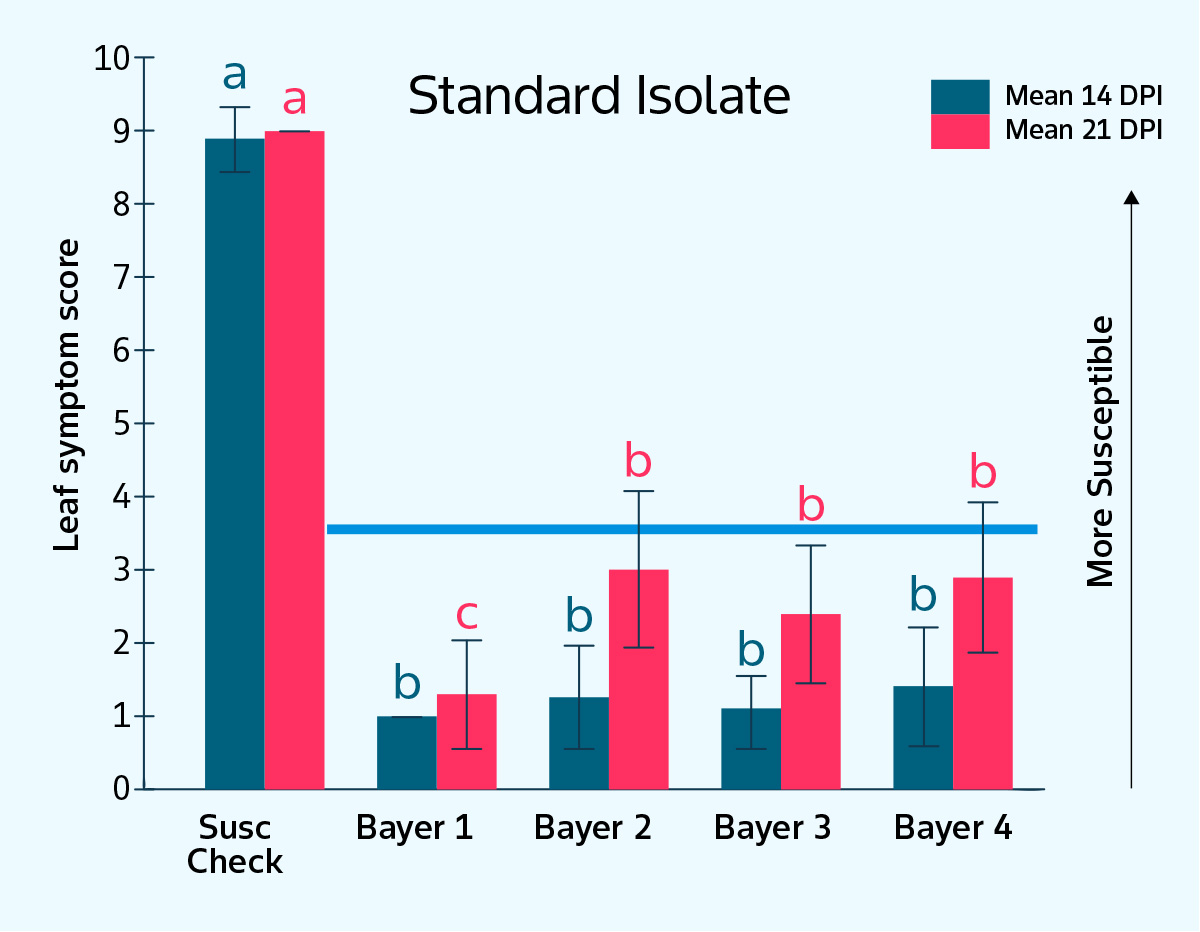
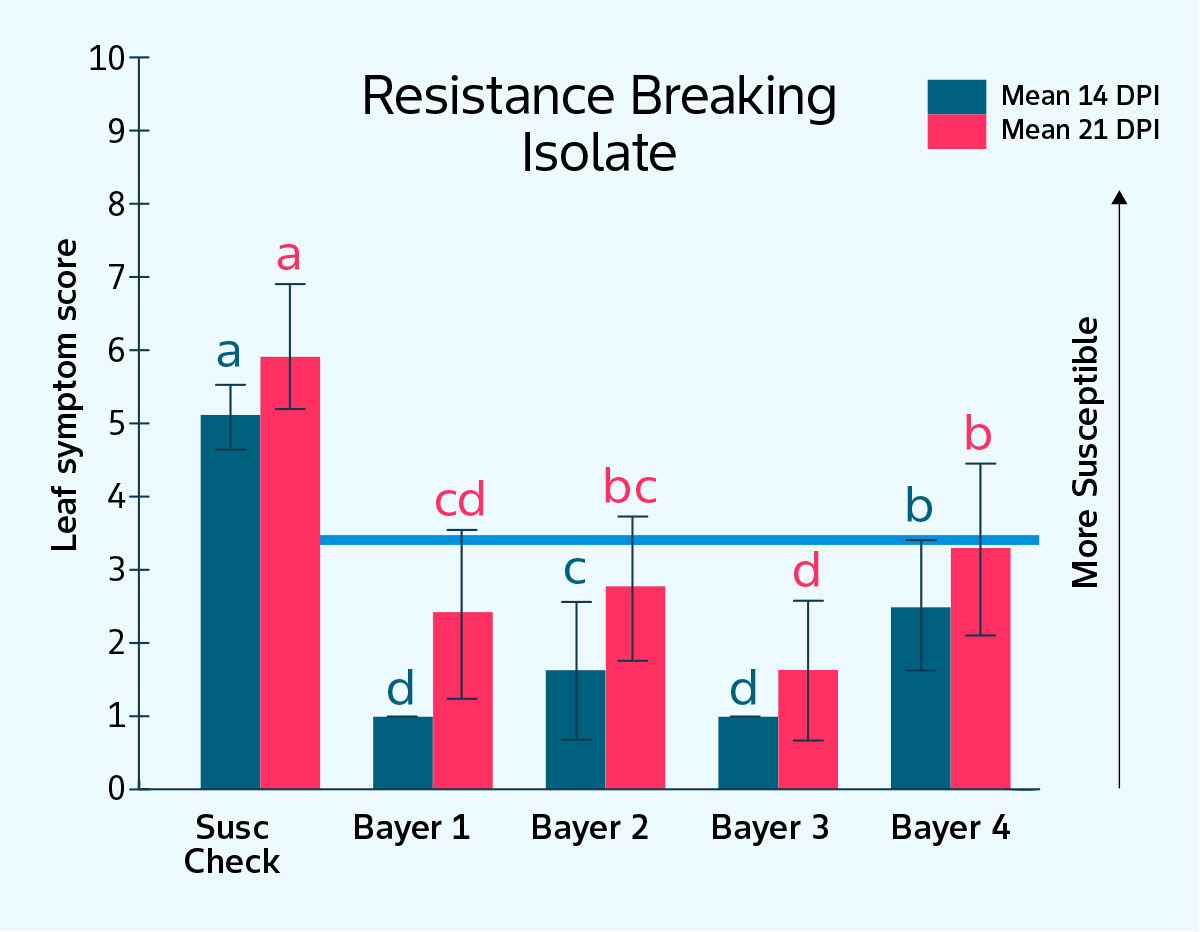
Recent research (Zisi et al., 2024) has identified a single nucleotide ToBRFV mutant (RB-ToBRFV) able to break resistance in single gene-resistant tomato cultivars. The new ToBRFV-resistant varieties with multi-gene resistance technology have shown in initial trials to protect against this new RB-ToBRFV isolate.
The big news for growers? De Ruiter has successfully brought this multi-gene resistance into its glasshouse tomato portfolio – from beef to truss to cherry types. These new varieties have been tested under high virus pressure, in inoculated long-crop trials, and managed in commercial production conditions. We also included consumer taste panels during development to help ensure high-quality flavor and appearance.
Our first multi-gene ToBRFV-resistant De Ruiter glasshouse varieties – Ferreira (red beef) and Futumaru (pink beef) – launched in 2024. Both have shown intermediate resistance to ToBRFV while maintaining strong agronomic traits.
And 2025 is shaping up to be a pivotal year. Expect exciting new launches for:
Some of these may be conversions of best-selling hybrids with added multi-gene ToBRFV resistance, while others may be entirely new hybrids. Either way, we’re expecting standout performance in both resistance levels and agronomic value. Several will be available for the LIT crop season starting in 2025.
More updates and performance data will be shared soon by our team. For now, rest assured: we’re delivering resistance you can count on – without giving up the yield potential or quality you need.
Trial timing:
Sowing: 8 Aug 2024
Inoculation: 23 Aug 2024
Evaluation 1: 6 Sept 2024
Evaluation 2: 13 Sept 2024
Figure 1: Each variety is represented by 20 data points in each trial. We tested the statistical significance of the symptom difference between each variety within each evaluation date with a Tukey test: varieties sharing the same letter cannot be differentiated in terms of symptom severity, while varieties under different letters display distinct symptom severity levels. All Bayer varieties were significantly more resistant than the susceptible check in the St-ToBRFV trial as well as the RB-ToBRFV trial at 14- and 21-days post-inoculation.
ToBRFV is a highly contagious plant virus that disrupts tomato production worldwide. It spreads easily and can overcome single-gene resistance, making it one of the biggest challenges for growers.
Recent research (Zisi et al., 2024) found that a single amino acid change in ToBRFV created a resistance-breaking (RB) strain that can bypass single-gene resistance in tomatoes. This raises concerns about the durability of varieties relying on only one resistance gene.
Multi-gene resistant tomatoes from Seminis® and De Ruiter® combine several layers of resistance, making it more difficult for the virus to break through. This approach helps provide durable protection without sacrificing fruit quality or yield potential.
Initial inoculated trials and commercial production testing showed that multi-gene resistant varieties performed well under high virus pressure, resisting both the standard and RB-ToBRFV strains while maintaining strong agronomic traits.
Growers can look forward to launches in large truss, medium truss, cocktail, cherry plum truss, and beef tomatoes. These include conversions of best-selling hybrids as well as brand-new varieties.
Vegetables by Bayer will continue sharing updates and performance data as more multi-gene resistant varieties advance through trials, helping ensure growers have long-term, reliable solutions against ToBRFV.
Literature cited:
Zisi Z, Ghijselings L, Vogel E, Vos C and Matthijnssens J (2024). Single amino acid change in tomato brown rugose fruit virus breaks virus-specific resistance in new resistant tomato cultivar. Front. Plant Sci. 15:1382862. doi: 10.3389/fpls.2024.1382862
HR = High Resistance. IR = Intermediate Resistance. To find out more about disease resistance and the applicable levels of disease resistance, visit www.worldseed.org, and view the “Definition of the Terms Describing the Reaction of Plants to Pests for the Vegetable Industry” paper in the Vegetable Resources section.
Performance may vary, from location to location and from year to year, as local growing, soil and environmental conditions may vary. Growers should evaluate data from multiple locations and years whenever possible and should consider the impacts of these conditions on their growing environment.
The recommendations in this material are based upon trial observations and feedback received from a limited number of growers and growing environments. These recommendations should be considered as one reference point and should not be substituted for the professional opinion of agronomists, entomologists or other relevant experts evaluating specific conditions.