- Close path for crop handling directly:
- one path before the working direction
- two paths after the spot
- Find out how far the spreading is in the glasshouse: take leaf samples.
- ToBRFV self-test can be used: less sensitive but results available in minutes.
- qPCR tests can be used: more sensitive but results available within a few days (laboratory).
Examples of best practices after a ToBRFV positive test result*
Early detection is key to help prevent the spread of ToBRFV. Some measures might seem rigorous, but by taking these measures you can significantly lower ToBRFV pressure and spreading.
All employees should be aware of ToBRFV symptoms and should notify the manager immediately when a suspicious plant has been found.
When spot(s) are located and paths are closed
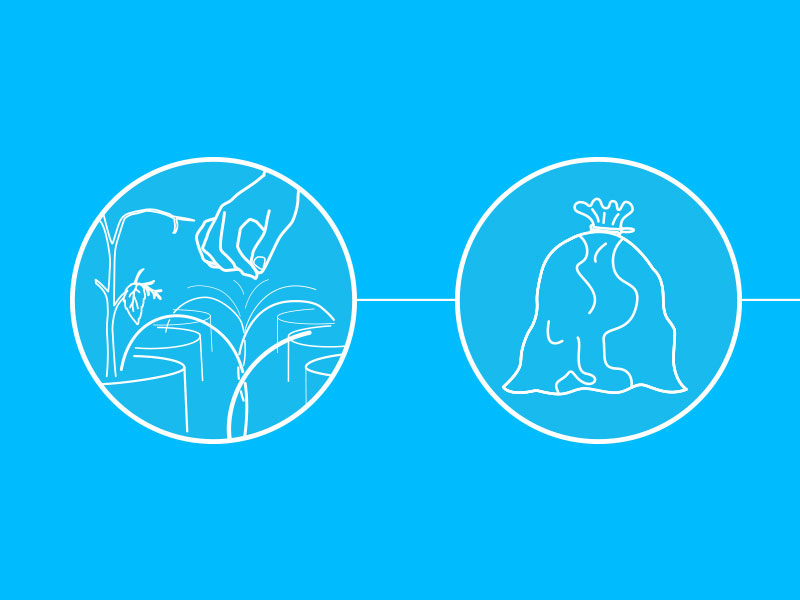
Remove drippers from the closed paths.
When plants are wilted, they should be taken down, put in plastic bags, and sealed.
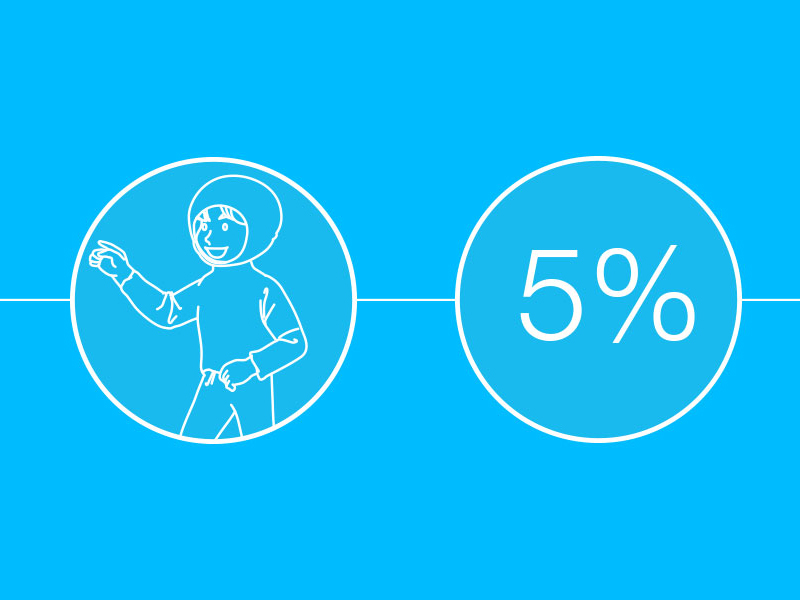
Dedicated people wear additional hygiene gear: shoe covers, gloves, hair net, and overalls.
Continue removing complete rows before and after the spot till 5% of the plants in that department are removed.
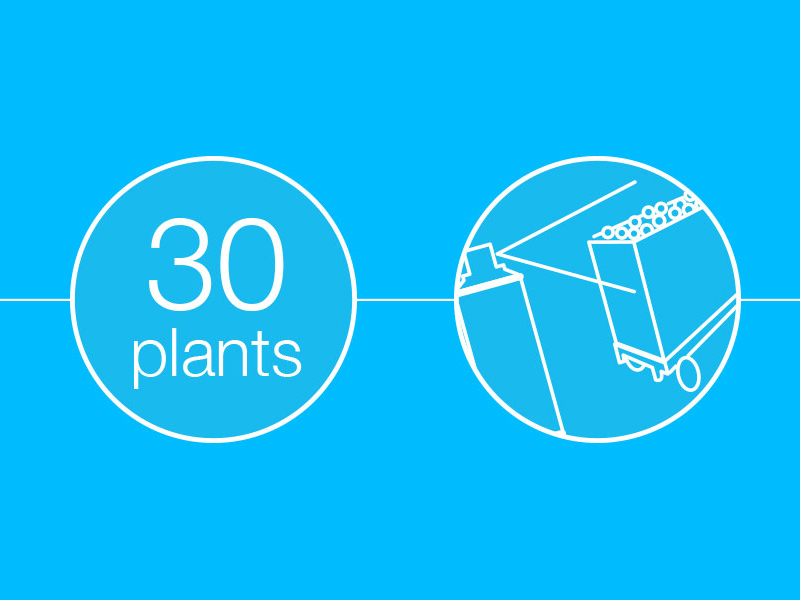
When new spots occur, and more than 5% of the plants are already removed, new infections are tackled by removing 30 plants before and after the infected plants on a gutter. As well as plants on adjacent gutters.
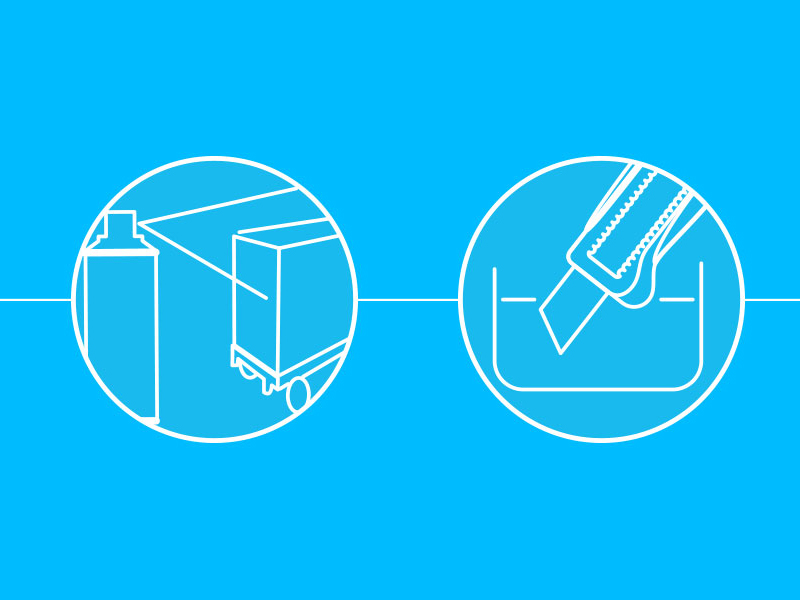
Trolleys should be sprayed with disinfection fluid before moving to another path.
Disinfect harvest trolleys and crates after delivering the fruits to the storage/ packaging facility.
Pruning knives should be dipped in a disinfectant solution after every 5-10 plants.
Employees working in contaminated areas should not work in clean areas of the glasshouse.
Crop workers should also use gloves and dip their hands in a disinfectant solution after every plant. Dispose of gloves in dedicated bins after each path.
*These recommendations should be considered as one reference point and should not be substituted for individual assessment of such industry guidelines and best practices, along with the professional opinion of relevant experts evaluating specific circumstances.
Stay up to date about ToBRFV
Need more information?
All information on Bayer IR-ToBRFV tomato varieties reflects tests and knowledge at product launch. On request, Bayer will share available data on performance, seed treatment, and detection, as permitted by law and Grower shall maintain confidentiality with respect thereto. Resistance is defined by the virus state at launch and may be updated as knowledge evolves; this disclaimer shall be deemed modified by such update upon communication thereof. The Grower is responsible for assessing local suitability and acknowledges that crop management practices may affect resistance, for which Bayer is not liable. Bayer’s only warranty is label conformity at dispatch; all other warranties are disclaimed and liability is limited to a refund up to the seed price. Grower shall not transfer any data provided hereunder without Bayer’s prior written consent and shall indemnify and hold harmless Bayer for all losses arising from any unauthorised transfer, including by third parties.
All information concerning the products given orally or in writing by any entity of Bayer Group or its employees or agents, including the information in this website, is given in good faith, but is not to be taken as a representation or warranty by this entity as to the performance or suitability of those products, which may depend on local climatic conditions and other factors. Bayer Group and all its entities assume no liability for any such information. This information shall not form part of any contract with any entity of Bayer Group unless otherwise specified in writing.